





Our science
An insert & forget solution exploiting the untapped potential of the nasal route to reduce patient exposure and improve adherence to treatment.
In collaboration with our team of clinical, academic and industrial partner experts, we have developed a platform of intranasal inserts for sustained release of active substances. This platform of solid dosage forms, allows local or Nose-To-Brain administration and aims to improve the management of chronic diseases.

The untapped potential of the intranasal route
The intranasal route allows rapid absorption of drugs through the highly vascularized nasal mucosa while bypassing hepatic first-pass metabolism, thereby improving bioavailability.
This route is used for both local treatments (e.g., chronic allergic and non-allergic rhinitis hronic rhinosinusitis) and systemic delivery (analgesics, hormones, vaccines), and is increasingly explored for biomolecules and direct Nose-To-Brain therapies.
Research focuses on liquid and semi-solid formulations like mucoadhesive systems and nanoparticles hardly compatible with long-term sustained release (retention time of a few weeks maximum).
Dianosic has a unique positioning with a solid polymeric nasal insert delivering constant API doses over extended periods (up to 12 months), easily placed and removed by healthcare professionals.
A proprietary platform built on three pillars

Tailored pharmaceutical form
- Each insert formulation is a unique combination of API and resorbable polymer, designed to deliver a sustained and controlled dose, control dose for local or Nose-To-Brain proprietary delivery.
- Our solid insert can incorporate adjustable quantities of API, a long term enabling drug release thanks to an optimized formulation. Direct and prolonged contact with the mucosa overcomes the rapid clearance limitations associated with nasal sprays, while the biocompatible polymer matrix ensures local tolerance and minimizes mucosal irritation.
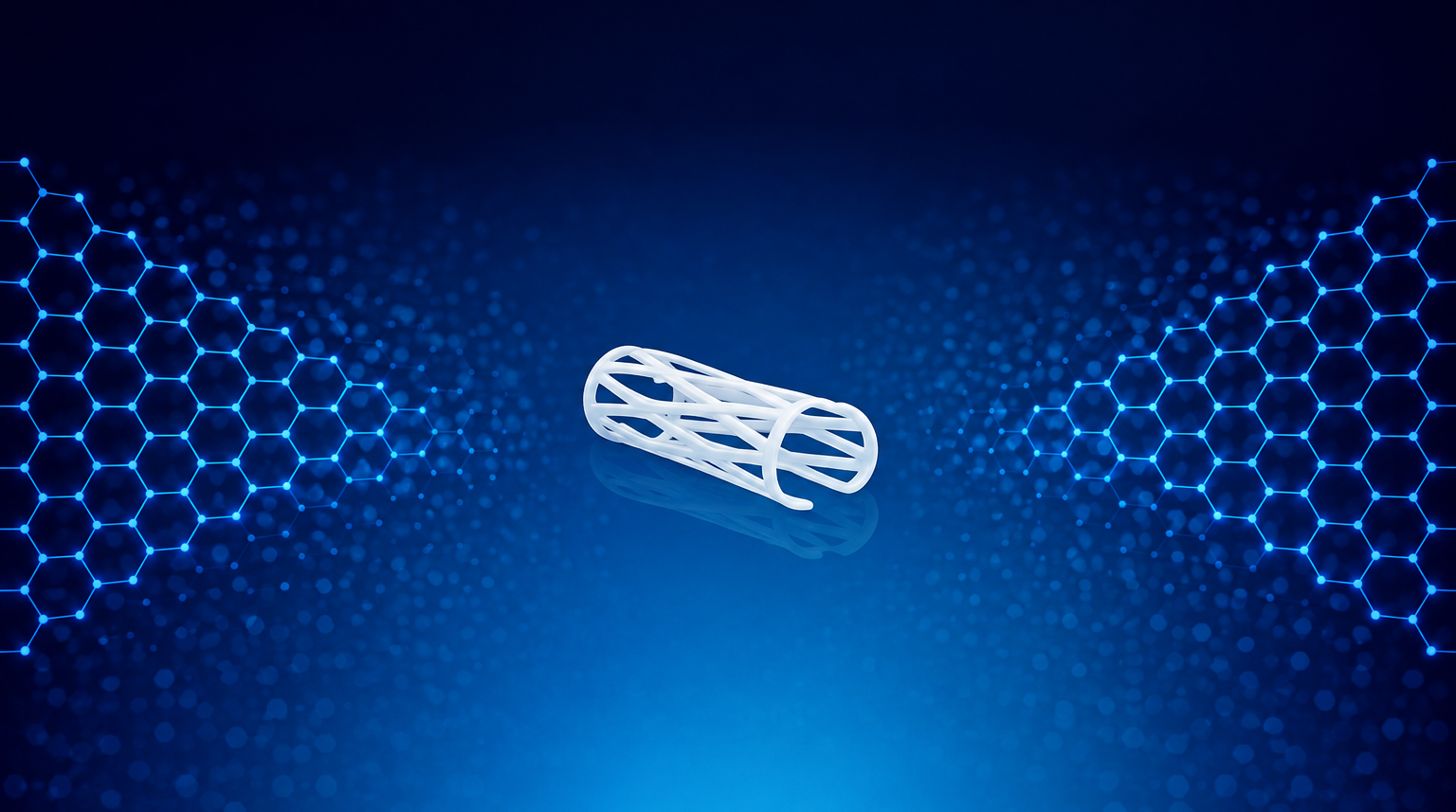
Proprietary insert design
- The insert is shaped for tolerability and versatility. The mesh structure prevents mucus buildup, reducing the risk of local infection. Edge-free design ensures patient comfort upon insertion and removal, thus preserving mucosal integrity over the treatment period.
- The insert’s features allows placement in various positions in the nasal cavity: in the inferior and middle meatus region for local delivery, and in the olfactory region for Nose-To-Brain delivery.
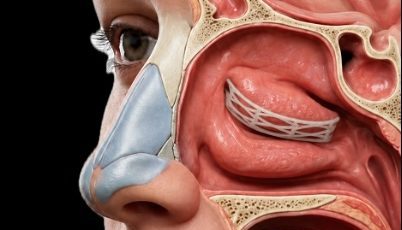
Specialty product
- An ENT specialist places the intranasal insert during a quick repeatable, in-office procedure under local anesthesia.

Where current treatments fall short
Respiratory diseases
|
CNS / Nose-to-Brain
|